
Block 3, MHDI Building, 86 Le Trong Tan, Phuong Liet Ward, 100000 Hanoi City, Vietnam
Industrial applications Aluminum
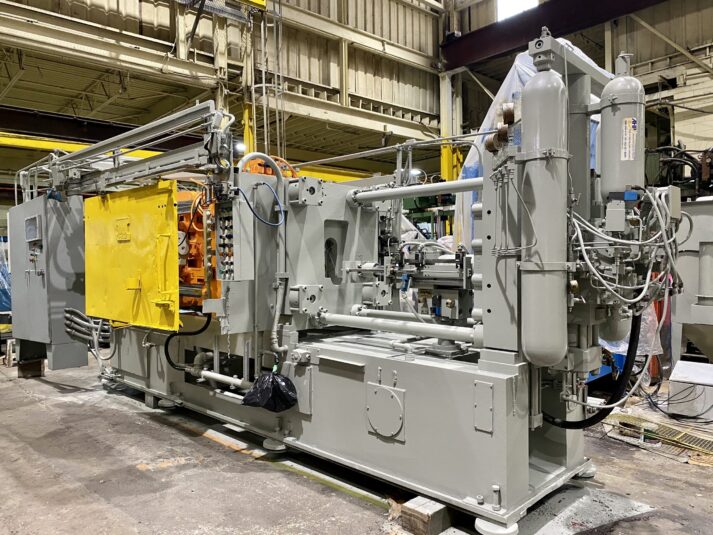
High-temperature bearings on the bucket arm of a die-casting machine play a critical role because this component operates in a harsh environment—exposed to molten metal, radiant heat, intermittent motion, and heavy loads.
Here’s a clear breakdown of their application:
Why high-temperature bearings are needed
The bucket arm (ladle arm) transfers molten metal into the shot sleeve. During operation it faces the following:
- Temperatures often 450°C–500°C (sometimes higher near the melt)
- Thermal cycling (heating and cooling repeatedly)
- Slow oscillating or intermittent rotation
- Heavy radial loads from the ladle and molten metal
- Contamination from metal splashes, dust, and lubricants
The specific environment will cause standard bearings to fail quickly under these conditions.
Our solution is
GMW high-temperature bearings will solve this problem with product heat-resistant bearings designated HT1, HT2, HT3, ENC330 (Enhanced+), HT4 and HT4U (Ultra).
High-temperature bearings are manufactured using a high-performance, high-friction ring of atoms. Manganese phosphate coatings ensure corrosion resistance and good lubricant adhesion, guaranteeing safe and efficient operation in production.
Benefits of Heat-Resistant Bearings for die-casting machine
- The MoS₂ hard resin compound in the bearings increases load capacity and improves the alkali resistance of the excavator arm.
- The bearings are designed to withstand very high temperatures up to 350°C at the mounting location.
- Easy to disassemble and maintain after extended use.
- The grease withstands humid, corrosive, and salt environments.
- Highly economical because the bearings self-lubricate, ensuring smooth operation of the excavator arm.
- Excellent friction reduction, preventing seizing of the excavator arm under high furnace temperatures.
- The product contains various types of solid resins to achieve high load-bearing and heat resistance.
CATALOGUE

Catalogue GMW High-temp Deep Groove Ball Bearings for low speeds
Download our PDF catalogue for GMW High-temp Deep Groove Ball Bearings for low speeds here:
29
Th11
Th11
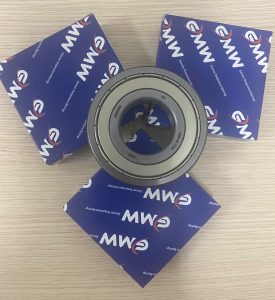
Catalogue GMW High-temp Deep Groove Ball Bearings for fast speeds
Download our PDF catalogue for GMW High-temp Deep Groove Ball Bearings for fast speeds here:
29
Th11
Th11
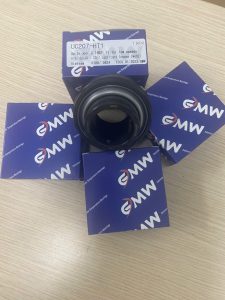
Catalogue GMW High-temp Radial Insert Ball Bearings for low speeds
Download our PDF catalogue for GMW High-temp Radial Insert Ball Bearings for low speeds here:
29
Th11
Th11

Catalogue GMW High-temp Radial Insert Ball Bearings for fast speeds
Download our PDF catalogue for GMW High-temp Radial Insert Ball Bearings for fast speeds here:
29
Th11
Th11
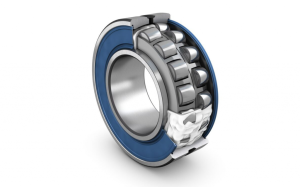
Catalogue GMW High-temp Spherical Roller Bearings
Download our PDF catalogue for GMW High-temp Spherical Roller Bearings here:
29
Th11
Th11
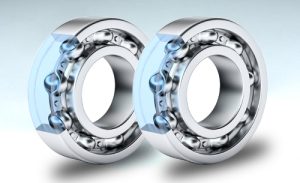
Catalogue GMW Low-temp Deep Groove Ball Bearings for fast speeds
Download our PDF catalogue for GMW Low-temp Deep Groove Ball Bearings for fast speeds here:
29
Th11
Th11